Are Coding Bootcamps Worth It in 2026?
Introduction
Coding bootcamps promise a fast track into a tech career. In months rather than years, they claim to turn beginners into hireable developers. The appeal is obvious, but so is the risk.
Tuition is significant, and the job market shifts. A bootcamp can accelerate a career change or leave you with debt and no offer. The outcome is far from automatic.
This guide examines whether bootcamps are worth it in 2026. We will look at cost, job outcomes, curriculum, and who benefits most. The goal is an honest, useful answer.
By the end, you will know how to judge a program. You will also know whether this path fits you. Realistic expectations lead to better decisions.
Quick Answer
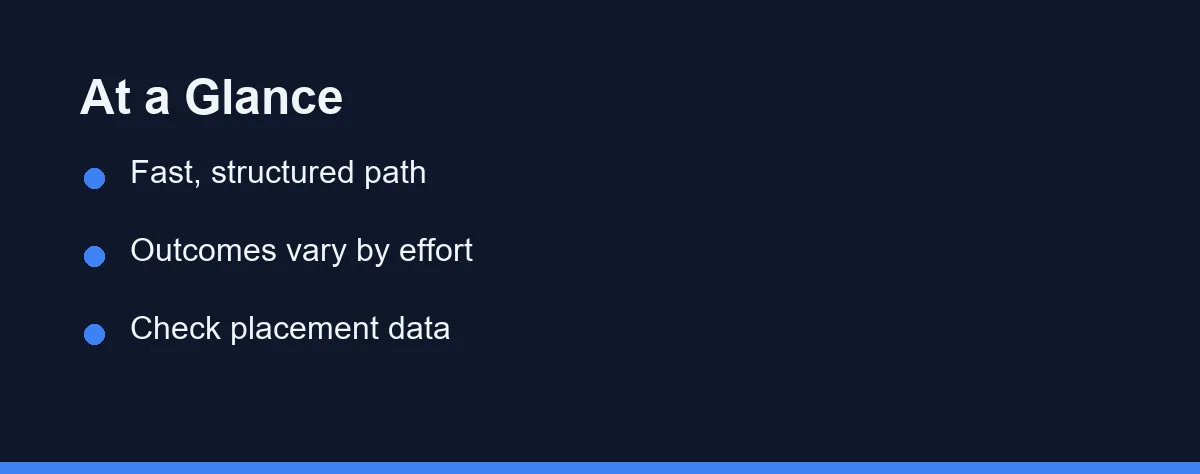
Coding bootcamps can be worth it for the right person. Motivated career changers who want structure and speed often benefit most. The key is a strong program and honest effort.
The value is not guaranteed, though. Outcomes depend on the market, your portfolio, and the program’s quality. A weak bootcamp can cost a lot and deliver little.
The honest answer is that it depends. Research placement data, talk to graduates, and know your goal. A bootcamp is a tool, not a promise.
What to Look For
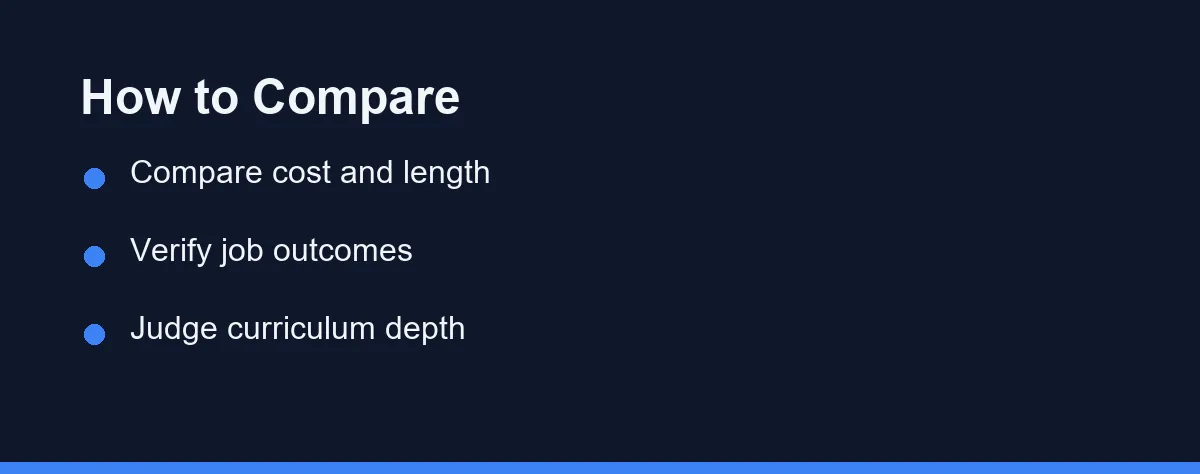
Start with verified job outcomes. Reputable bootcamps publish placement rates and salaries, ideally audited. Vague marketing claims are a red flag.
Curriculum depth matters next. Look for modern, job-relevant skills and real projects. A portfolio of working code often matters more than the certificate.
Cost and format shape access. Compare tuition, length, and whether the format is full-time or part-time. Income-share agreements deserve careful scrutiny.
Finally, weigh support and community. Career coaching and alumni networks affect outcomes. For independent outcome data, resources like the Council on Integrity in Results Reporting are worth reviewing.
Top Options
Bootcamps come in several shapes. Each suits a different learner and situation. Use these as a framework, not a ranking.
Full-Time Immersive
Full-time bootcamps are intense and fast. They demand your full attention for a few months. For those who can pause work, they accelerate the transition.
The trade-off is time and income. You step away from a job to study full-time. That opportunity cost is real and worth counting.
Part-Time and Self-Paced
Part-time programs let you keep working while learning. They stretch over more months but preserve income. This suits people who cannot pause their jobs.
The challenge is discipline and momentum. Progress is slower, and it is easy to stall. Structure and accountability become essential.
Free and Low-Cost Paths
Not every path costs a fortune. Free resources and low-cost courses can build the same skills with more self-direction. For many, this is a smart first step.
The catch is structure and support. You supply the discipline that a bootcamp provides. For free curricula, sites like freeCodeCamp are widely used.
Feature Comparison
The table below summarizes how the main paths compare. Treat it as a quick reference, not a strict verdict. Your situation shapes the right choice.
| Path | Speed | Cost | Best For |
|---|---|---|---|
| Full-Time Immersive | Fast | High | Career changers who can pause work |
| Part-Time Bootcamp | Moderate | Medium | Working learners |
| Free / Self-Paced | Slow | Low | Self-directed beginners |
The comparison shows a familiar trade-off. Faster, supported paths cost more, while cheaper paths demand more discipline. Neither is universally right.
Your time, budget, and self-direction decide the fit. A motivated learner can succeed on any path with the right effort.
How to Choose
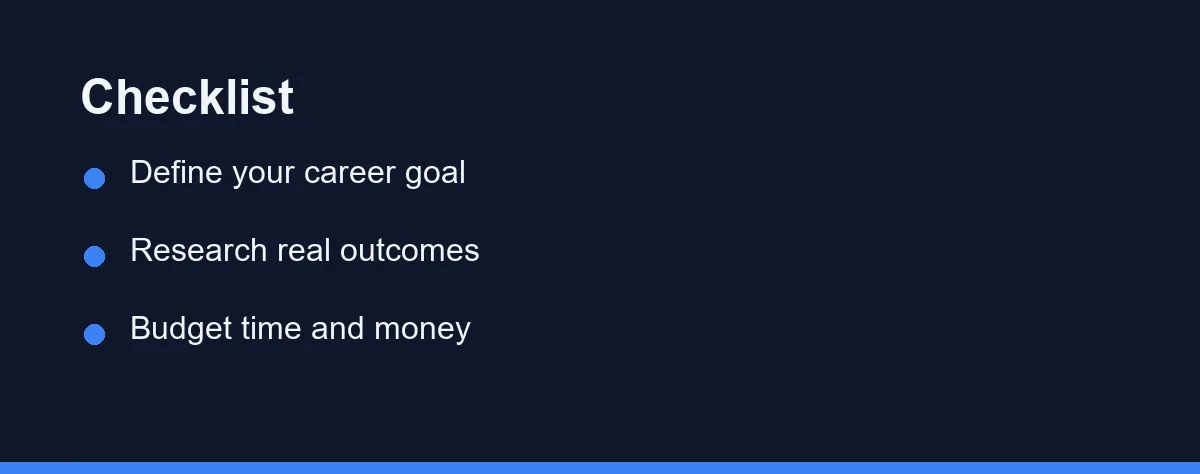
Begin by defining your career goal clearly. A specific role and timeline shape which path fits. Vague goals lead to wasted money.
Next, research real outcomes, not marketing. Seek audited placement data and talk to recent graduates. Their experience reveals the truth.
Then budget both time and money honestly. Count tuition, lost income, and study hours. A realistic plan prevents burnout and debt regret.
Finally, test your interest first. Try free resources before paying for a bootcamp. If you enjoy the work, a program can accelerate it.
Pricing: What to Expect
Bootcamp pricing varies widely by program, length, and format. Full-time immersive programs sit at the higher end. Always confirm current tuition on the official program site.
Part-time programs often cost less overall but take longer. Income-share agreements defer payment but carry their own terms. Read those agreements carefully.
Free and low-cost paths minimize financial risk. You trade money for time and self-direction. For disciplined learners, this can be the best value.
Whatever the price, weigh it against realistic outcomes. A high tuition is only worth it if the program delivers. Placement data is the real measure.
Common Mistakes to Avoid
Prospective students make a few predictable mistakes before enrolling. Avoiding them protects both your money and your career plans.
Do not trust marketing claims without evidence. Impressive placement rates mean little without audited data. Seek independent outcome reports before believing a number.
Do not ignore the opportunity cost. Full-time programs mean months without income. Count that lost income as part of the real price.
Do not enroll before testing your interest. Free resources reveal whether you enjoy coding. Discovering the work is not for you after paying is expensive.
Do not expect a job on graduation day. Hiring depends on your portfolio and the market. Plan for a job search that may take months.
Do not neglect your portfolio during the program. Employers judge working projects over certificates. Build and polish real code as you learn.
Do not skip networking and community. Many roles come through connections, not applications. Engage with alumni and local developer groups early.
Conclusion
Coding bootcamps can be worth it in 2026, but not for everyone. Motivated career changers with a strong program benefit most. The outcome depends on effort and market conditions.
Choose a full-time program for speed if you can pause work. Choose part-time or free paths to manage cost and risk. Match the path to your life.
Whatever you choose, verify outcomes before enrolling. Placement data and graduate stories matter more than glossy ads. Do the research first.
Finally, remember that skills and projects drive hiring. A bootcamp is a starting point, not a guarantee. Consistent building is what lands the job.
Keep learning after the program ends, too. Technology moves quickly, and employers value people who stay current. The habit of steady practice matters far more than any single course or credential you earn along the way. Treat the bootcamp as the beginning of your learning, not the end, and the investment is far more likely to pay off.
FAQ
Are coding bootcamps worth it in 2026?
Bootcamps can be worth it for motivated career changers who want a fast, structured path into tech. Outcomes vary widely by program and effort, so results are not guaranteed. Research placement data before enrolling.
Do coding bootcamps lead to jobs?
Many graduates land junior developer roles, but hiring depends on the market, portfolio, and skills. A bootcamp opens the door but does not promise a job. Networking and projects still matter.
Bootcamp or computer science degree?
Bootcamps are faster and job-focused, while degrees are broader and longer. A degree carries formal weight, but a strong bootcamp portfolio can also impress employers. The right path depends on your goals and time.
Some links may be affiliate links. We may earn a commission at no extra cost to you.
This article was written with AI assistance. It is researched and fact-checked, not based on personal hands-on testing unless explicitly stated.
댓글
댓글 쓰기